Balancing Visual Appeal and Function: Retail Refurbishment Challenges
In today’s dynamic retail environment, in which consumer preferences are ever evolving, the need for retail refurbishment has not been more important. Retailers face the challenge of balancing aesthetic appeal with functional design to establish a space that not only draws in customers but also elevates their overall shopping experience. When carried out thoughtfully, refurbishments can breathe new life into a store and act as a powerful tool for renewing a brand.
Grasping the value of retail refurbishment goes past mere visual upgrades. https://templeton-tarp.federatedjournals.com/updating-retail-the-strategic-investment-to-business-identity is about deliberately designing a store that is in tune with current trends and consumer expectations. From enhancing layouts to enhancing customer interactions, the right refurbishment can greatly boost sales and strengthen brand identity. As we dig deeper into the dilemmas retailers face during refurbishment, we will examine how to manage these challenges to forge a harmonious balance between style and function.
Grasping Retail Refurbishment
Shop revamping is a essential process for shops aiming to stay relevant in an changing marketplace. Essentially, it involves refreshing and refurbishing the store's tangible space to improve its appearance and usability. This can include anything from cosmetic changes like new paint colors and fixtures to more extensive modifications such as redesigning the floor plan or enhancing technology. The aim is to create an appealing atmosphere that correlates with contemporary consumer trends and tastes.
One of the main reasons for store revitalization is the need to keep the business novel and current. As purchasing patterns and consumer expectations evolve, retailers must adapt their spaces to meet these changes. A well-executed refurbishment can infuse new life into a business, attract new clients, and encourage repeat traffic. It provides retailers to capitalize on design aspects that communicate their branding more clearly, ensuring a consistent shopping experience that resonates with their target audience.
Furthermore, refurbishment can significantly impact sales and client interactions. An inviting and well-arranged retail space encourages shoppers to spend more time in the store, leading to boosted sales chances. Components such as light design, design colors, and layout play important roles in guiding customer behavior and improving product exposure. Therefore, understanding the benefits of shop renovation extends beyond mere appearance; it includes creating a strategic environment that encourages an enjoyable shopping experience and fuels business growth.
The Influence of Refurbishment on Customer Experience
Retail refurbishment plays a pivotal role in improving the overall consumer interaction. When shops undergo a careful refurbishment, they not only refresh their aesthetic appeal but also make significant improvements in functionality. Shoppers are more likely to appreciate their time in a space that feels new and welcoming, with well-structured layouts that facilitate a seamless shopping process. A refurbished store can engage customers more effectively, inspiring them to interact with products and engage with the brand on a profound level.
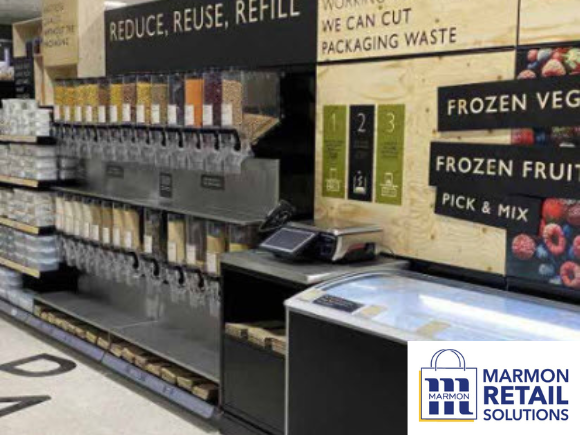
One of the key aspects of retail remodeling is the opportunity to create an captivating brand experience. By coordinating the store design with brand identity, palettes, and communication, retailers can create an environment that connects with their target audience. This congruence reinforces brand identity and fosters devotion, as customers feel a authentic connection to the space they are in. An appealing atmosphere can turn a routine shopping trip into an delightful experience, leading to prolonged visits and higher spending.
Moreover, deliberate design elements such as lighting design, color palettes, and directions are important in guiding customers and enhancing their experience with the products. Careful refurbishment leads to improved accessibility and accessibility, which can significantly lower frustration for shoppers. Overall, a well-executed refurbishment not only renews the store's look but also improves the customer journey, ultimately resulting in greater satisfaction and loyalty.
Budgeting and Strategizing Your Retail Update
When starting a retail refurbishment, efficient budgeting and planning are essential to the project's success. Start by evaluating your current financial situation and recognizing how much you can realistically allocate for the refurbishment. This involves taking into account all possible expenses, including design, materials, labor, and any unexpected costs that may arise. Creating a detailed budget helps you focus on upgrades while guaranteeing that important aspects of the refurbishment are not neglected.
As you prepare for the refurbishment, it is important to set clear objectives and timelines. Identify what specific updates your store needs, whether it's upgrading the customer experience, improving the layout, or revamping aesthetics. Establish Retail Refurbishment Dorset that outlines each step of the project, from initial planning and design to implementation and final touches. A clear plan will help keep your team organized and accountable, reducing the risk of delays that can affect your finances.
Ultimately, think about incorporating flexibility into your budget and timeline. Retail refurbishment projects often present unexpected challenges, such as supply chain delays or necessary adjustments due to building regulations. By including some variability in your budget and schedule, you can respond to these issues more smoothly without derailing the entire project. This strategic approach not only helps in managing costs but also ensures that your refurbishment achieves the desired impact on your store's aesthetics and functions.